
Grass That Stays Thick All Season
Lawn Fertilization in Arlington for properties with thin turf and seasonal color loss
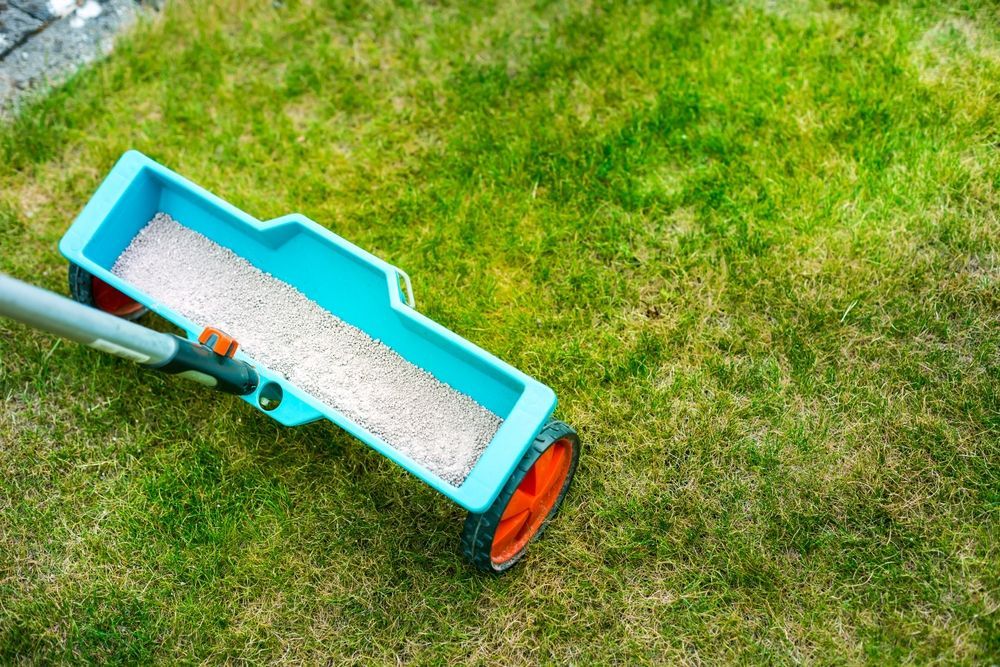
Lawns in Arlington experience distinct seasonal stress from hot, humid summers and cold winters that deplete soil nutrients faster than grass can naturally replace them. Kyle Landscaping applies quality fertilizer formulations timed to match the specific nutrient demands of cool-season grasses during their active growth periods in spring and fall. You notice thicker blade density within weeks as nitrogen encourages lateral spread and potassium strengthens cell walls against drought and disease pressure.
Professional fertilization addresses the gap between what grass removes from soil and what rainfall and decomposition return, particularly in established lawns where clippings are removed and organic matter breaks down slowly. The timing and nutrient ratio of each application matter more than the quantity applied, since grass absorbs nitrogen most efficiently during active root growth rather than during summer dormancy or winter freeze.
Schedule a property evaluation to determine the fertilization schedule that matches your lawn's current health and soil conditions.
How Fertilization Strengthens Root Systems
Each application delivers a calculated balance of nitrogen for blade growth, phosphorus for root development, and potassium for stress tolerance, adjusted based on whether the lawn is entering a growth phase or preparing for dormancy. Spring applications emphasize nitrogen to support recovery from winter damage, while fall treatments prioritize potassium to harden grass against freeze-thaw cycles that rupture plant cells and create brown patches by March.
After a complete growing season on a fertilization program, you see fewer bare spots where grass failed to fill in, darker green color that persists through July heat, and reduced weed pressure as dense turf crowds out crabgrass and broadleaf invaders. The lawn recovers faster from foot traffic and mowing stress because root systems extend deeper into the soil profile and access moisture that surface roots cannot reach during dry weeks.
Fertilization works best when paired with proper mowing height and adequate watering, since nutrients cannot move into roots without soil moisture, and overgrown grass shades out lower blades even when nutrient levels are sufficient. Properties with heavy clay soil benefit from slightly different application rates than those with sandy loam, since clay holds nutrients longer while sand allows faster leaching during rainstorms.
Questions Property Owners Ask About Fertilization
Homeowners in Arlington often ask about fertilization timing, visible results, and how programs adapt to their property's specific conditions.
What makes spring and fall the most effective fertilization windows?
Cool-season grasses common in Arlington grow most actively when soil temperatures range between fifty and seventy degrees, which occurs in April through May and September through November, allowing roots to absorb and store nutrients before summer heat or winter cold slows metabolic processes.
How soon does the lawn show visible improvement after an application?
Blade color typically darkens within seven to ten days as nitrogen moves into leaf tissue, while thickness and density increase over four to six weeks as the grass produces new tillers and lateral growth fills in gaps between existing plants.
Why does fertilization need to continue throughout the season rather than as a single treatment?
Grass removes nitrogen from soil continuously during active growth, and a single application provides enough nutrient supply for only six to eight weeks before deficiency symptoms like yellowing and slow growth reappear.
What happens if fertilization is applied during summer heat?
Applications during July and August can burn grass blades when temperatures exceed eighty-five degrees because dormant grass cannot process nitrogen efficiently, and excess salts from fertilizer draw moisture out of plant tissue faster than roots can replace it.
How does fertilization reduce weed problems over time?
Thick, healthy turf shades soil surfaces and prevents weed seeds from germinating, while strong root systems compete aggressively for water and nutrients that would otherwise support dandelions, clover, and crabgrass establishment.
Kyle Landscaping tailors fertilization schedules to match the specific grass types and soil conditions found across Arlington properties. Request a customized fertilization plan based on your lawn's current health and seasonal needs.