
Lawns That Don't Suffocate Under Wet Leaves
Seasonal Leaf Removal in Arlington for preventing turf damage during peak fall shedding
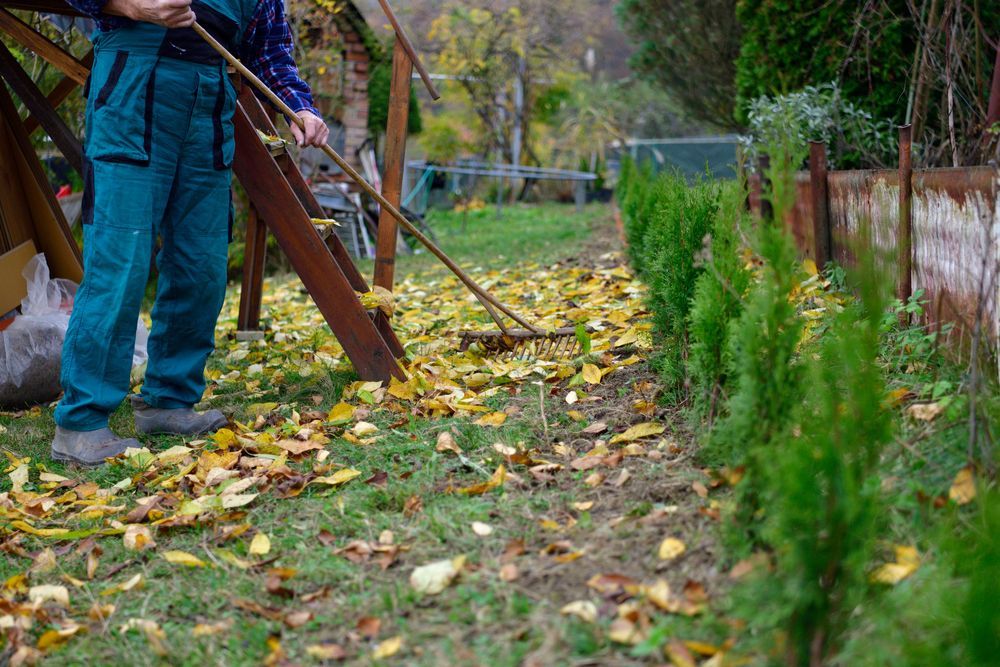
Thick leaf layers block sunlight and trap moisture against grass blades, creating conditions where fungal diseases spread quickly and turf thins out before winter. Kyle Landscaping removes fallen leaves during peak season to prevent these matted layers from forming, particularly after rain events when wet leaves compact into a dense blanket that smothers growth underneath. Properties with mature oaks, maples, and other deciduous trees face the heaviest accumulation and benefit most from scheduled removal before leaves decompose into a slick, root-damaging layer.
Leaf buildup in Arlington accelerates during October and November when deciduous trees drop most of their canopy, and a single storm can deposit several inches of material across lawns and landscape beds. Removal involves clearing leaves from turf, walkways, and gutters before the material breaks down into a mulch that blocks airflow to grass crowns. The work prevents the yellow, thinning patches that appear in spring where leaf cover was heaviest and grass couldn't photosynthesize or breathe through winter dormancy.
Schedule seasonal cleanup services early to secure preferred dates before peak demand in late fall.
What Changes After Leaves Are Cleared
Removal starts with blowing or raking leaves into staging piles, then collecting material for offsite disposal or mulching into beds where decomposition benefits soil rather than harming turf. The process clears walkways and driveways where wet leaves create slipping hazards, and it reopens sightlines along property edges that leaf drifts obscure. Gutters and downspouts are checked to confirm leaves haven't blocked drainage paths that could redirect water toward foundations.
Once leaves are gone, grass receives direct sunlight again and air circulates around blades instead of being trapped under decaying organic matter. Lawns green up more uniformly the following spring because turf wasn't stressed by prolonged darkness and excess moisture during dormancy. The visual difference is immediate—properties look maintained rather than abandoned, and neighbors can see defined lawn edges and landscape features instead of uneven piles of brown material.
Timing matters because waiting too long allows leaves to mat down and become harder to remove cleanly, while removing them too early means a second visit is often necessary as trees finish dropping their canopy. Most properties require two to three visits during fall to manage the full seasonal drop.
Common Questions About This Service
Homeowners typically ask about scheduling, what happens to collected material, and how leaf removal fits into broader lawn care routines.
How often should leaves be removed during fall?
Most properties need removal every two to three weeks during peak leaf drop, though timing depends on tree density and how quickly wind redistributes material across the lawn.
What happens to the leaves after removal?
Leaves are either hauled offsite for municipal composting or mulched and distributed into landscape beds where they decompose without harming turf.
Why can't leaves just stay on the lawn over winter?
Thick leaf layers block sunlight and trap moisture, creating fungal conditions that thin turf and leave dead patches visible once spring growth resumes.
When is the best time to start leaf removal in Arlington?
Removal typically begins in mid-October when deciduous trees start dropping heavily and continues through November as trees finish shedding, though microclimates and tree species affect exact timing.
Does leaf removal include gutter cleaning?
The service focuses on ground-level leaf clearing, though downspout areas are checked to confirm leaves haven't blocked drainage; full gutter cleaning is a separate task that may be arranged if needed.
Kyle Landscaping coordinates leaf removal with other fall services like aeration and fertilization to prepare lawns for dormancy. Arrange a seasonal cleanup visit to address current leaf accumulation and discuss ongoing maintenance schedules.