
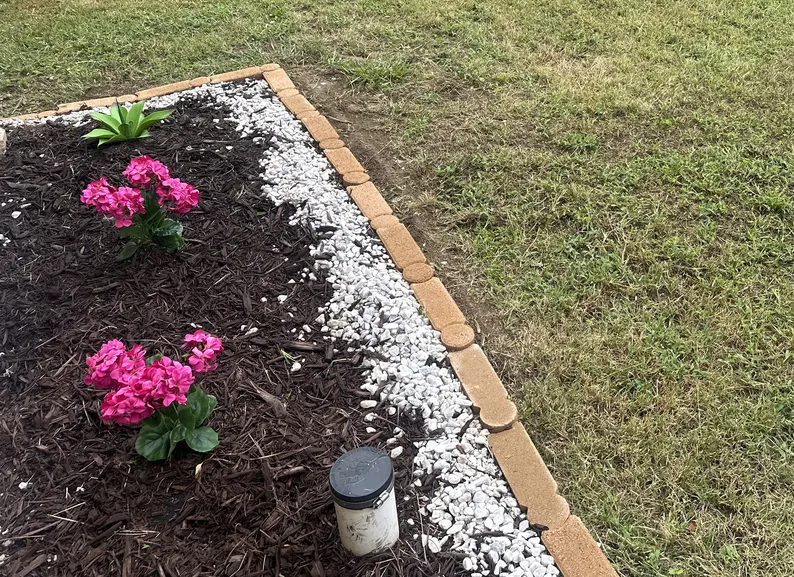
Landscape Beds That Stay Neat Through Heavy Rain
Mulch Installation in Arlington for controlling erosion and keeping beds visually consistent
Kyle Landscaping applies mulch in landscape beds to control moisture loss, suppress weed emergence, and maintain a uniform appearance even after storms wash lighter materials away. Properties with established shrubs and ornamental plantings benefit most when mulch is refreshed before seasonal temperature swings cause soil to dry out or crack. The work involves spreading mulch evenly around plant bases while keeping material several inches away from trunks to prevent rot and pest activity.
Mulch settles and decomposes over time, particularly in Arlington's humid summers when organic material breaks down faster and heavy rains displace loose layers. Fresh mulch restores the insulating layer that moderates soil temperature, reduces irrigation needs during dry stretches, and limits the bare soil exposure where weed seeds germinate most readily. Seasonal replacement addresses these functional losses while restoring the clean edge definition that distinguishes maintained beds from neglected ones.
Request a landscape refresh estimate to evaluate current bed conditions and mulch depth requirements.
What Proper Mulch Application Requires
The installation process begins with removing old mulch that has compacted into a dense mat or accumulated to depths that trap moisture against plant stems. New mulch is spread to a depth of two to three inches, which provides insulation and weed suppression without creating waterlogged conditions that harm root systems. Material is kept clear of plant crowns and pulled back from tree trunks to allow airflow and prevent bark decay.
After installation, beds drain more predictably during rain events, and the darker mulch color creates visible contrast that makes plant shapes stand out and defines property edges more sharply. Weed emergence slows because mulch blocks sunlight from reaching dormant seeds in the soil, and the few weeds that do appear pull out more easily from the loose material. These changes remain visible for several months before seasonal weather and decomposition require the next refresh cycle.
The service includes delivery, spreading, and cleanup of loose material from walkways and driveways. It does not include removal of invasive root systems or installation of landscape fabric, which may be discussed separately if beds show persistent weed problems that mulch alone cannot control.
What Homeowners Usually Ask
Most questions about mulch installation focus on timing, material choices, and how the work fits into broader landscape maintenance schedules.
What time of year should mulch be installed?
Mulch is typically refreshed in mid-spring before summer heat stresses plants and again in fall before winter freezes, though installation can happen whenever beds look thin or weed growth accelerates.
How does mulch help retain soil moisture?
The layer acts as insulation that slows evaporation from the soil surface, meaning irrigation water or rainfall stays available to roots longer instead of evaporating within hours of application.
Why does mulch need to be kept away from plant stems?
Direct contact traps moisture against bark and creates conditions where fungal decay and insect boring activity increase, particularly on woody shrubs and young trees.
How long does mulch last before it needs replacement?
In Arlington's climate, organic mulch decomposes noticeably within six to twelve months as heat and humidity accelerate breakdown, though functional benefits decline sooner in high-traffic beds or areas with heavy rain runoff.
What does mulch installation include?
The service covers delivery of material, spreading to specified depth, edging to keep mulch within bed boundaries, and removal of debris from paved surfaces after work is completed.
Kyle Landscaping schedules mulch installation based on current bed conditions and seasonal timing preferences. Contact the team to arrange an estimate that accounts for total bed area and existing mulch depth.