
Properties Ready for Seasonal Transitions
Spring and Fall Cleanups in Arlington for removing seasonal debris before weather extremes stress lawns
Seasonal transitions leave behind accumulated debris, matted leaves, and overgrowth that interfere with lawn health and landscape appearance if not cleared before summer heat or winter freezes arrive. Properties benefit from comprehensive cleanup when spring growth begins and again before fall dormancy, addressing the buildup that regular mowing and maintenance don't fully remove. Kyle Landscaping performs these cleanups to prepare landscapes for the demands of the coming season, clearing material that blocks sunlight, traps moisture, or harbors pests and disease.
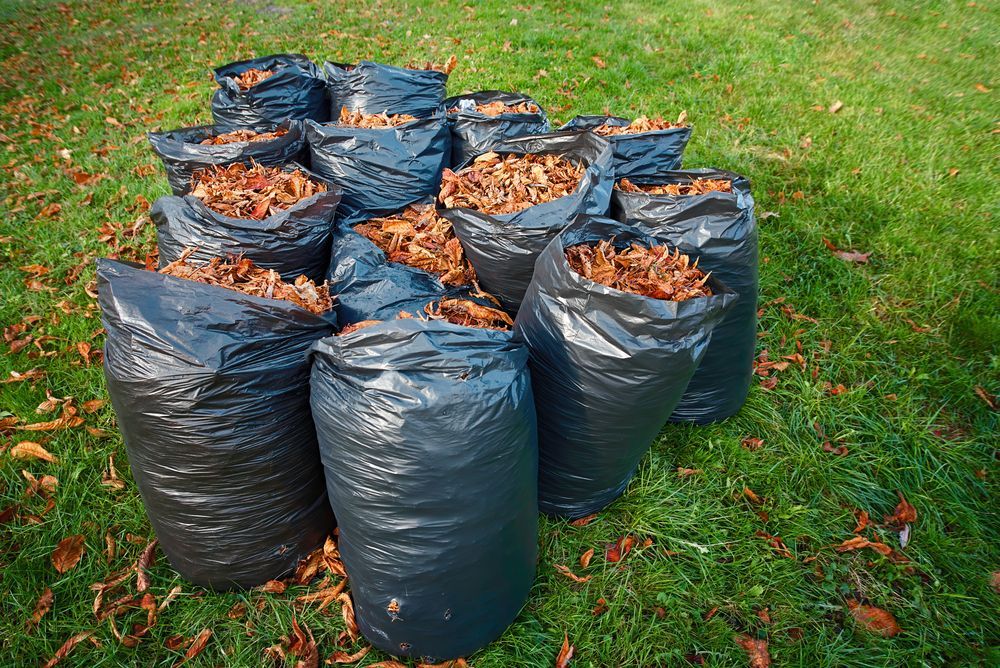
Spring cleanup involves removing winter debris like fallen branches, leftover leaves, and dead plant material that accumulated under snow or during freeze-thaw cycles. Fall cleanup focuses on leaf removal, cutting back perennials, and clearing beds before winter weather sets in. Both services address the visible and functional problems that develop when organic material piles up—thatch layers that suffocate turf, decomposing leaves that create fungal conditions, and overgrown beds that look neglected and provide cover for rodents or insects.
Schedule seasonal cleanups before peak demand to secure preferred dates and give lawns the preparation they need for healthy growth.
What You Notice Once Cleanup Is Finished
The process includes removing debris from lawns, beds, and hardscapes, cutting back dead plant stems, edging beds to redefine boundaries, and clearing gutters and downspouts where organic material has collected. Spring cleanup often pairs with dethatching or aeration to address compacted soil and thatch buildup, while fall cleanup coordinates with final mowing and fertilization to prepare turf for dormancy. Each task targets specific seasonal problems—spring work removes winter damage and opens up growth space, while fall work prevents cold-weather stress and prepares properties for snow or ice.
After cleanup, lawns green up faster in spring because sunlight reaches the soil surface and air circulates freely around new grass shoots. In fall, cleared properties drain better during rain events and enter winter without the matted organic layers that promote fungal disease. Landscape beds look intentional again, with clean edges and visible mulch instead of leaf piles and overgrown perennials obscuring the design. These changes make properties look actively maintained rather than seasonally neglected.
Cleanup services can be combined with fertilization, overseeding, mulch installation, or pruning to address multiple seasonal needs in one visit. The work does not include treating established weed or pest problems, which require targeted applications beyond debris removal.
Questions Before Starting Your Project
Homeowners often ask about timing, what tasks are included, and how cleanups support long-term lawn and landscape health.
When should spring cleanup happen?
Spring cleanup is most effective in late March or early April in Arlington, once the ground thaws and before new growth accelerates, allowing debris removal without damaging emerging shoots.
What does fall cleanup include?
Fall cleanup covers leaf removal, cutting back perennials, clearing beds, removing seasonal debris, and preparing lawns for dormancy; it often pairs with aeration and final fertilization for winter preparation.
Why can't regular mowing handle seasonal debris?
Mowing addresses actively growing grass but doesn't remove matted leaves, thick thatch layers, or woody debris that accumulates in beds and along property edges during seasonal transitions.
How do cleanups improve lawn health?
Removing debris allows sunlight and air to reach turf and soil, reduces fungal disease risk, eliminates pest habitat, and creates conditions where grass grows more uniformly instead of competing with decomposing organic material.
What happens to collected debris?
Material is hauled offsite for composting or disposal, though some organic matter like leaves may be mulched and redistributed into beds where decomposition benefits soil without harming turf.
Kyle Landscaping coordinates seasonal cleanups with other maintenance services to prepare properties for summer growth or winter dormancy. Arrange a cleanup visit to address current debris accumulation and discuss pairing with fertilization, aeration, or pruning for comprehensive seasonal preparation.