
Filling Bare Spots That Never Recover
Lawn Seeding in Arlington for thin turf, bare patches, and uneven grass coverage
Thin lawns that show soil between grass blades signal root density too low to support lateral spread, often caused by compacted soil, shade stress, or years of removing clippings that would otherwise return organic matter. Kyle Landscaping evaluates lawn conditions to determine whether overseeding into existing turf or bare-soil seeding with soil preparation will produce faster establishment. Grass fills in within three to four weeks during optimal fall seeding windows when soil stays warm enough to trigger germination but air temperatures cool enough to prevent seedling stress.
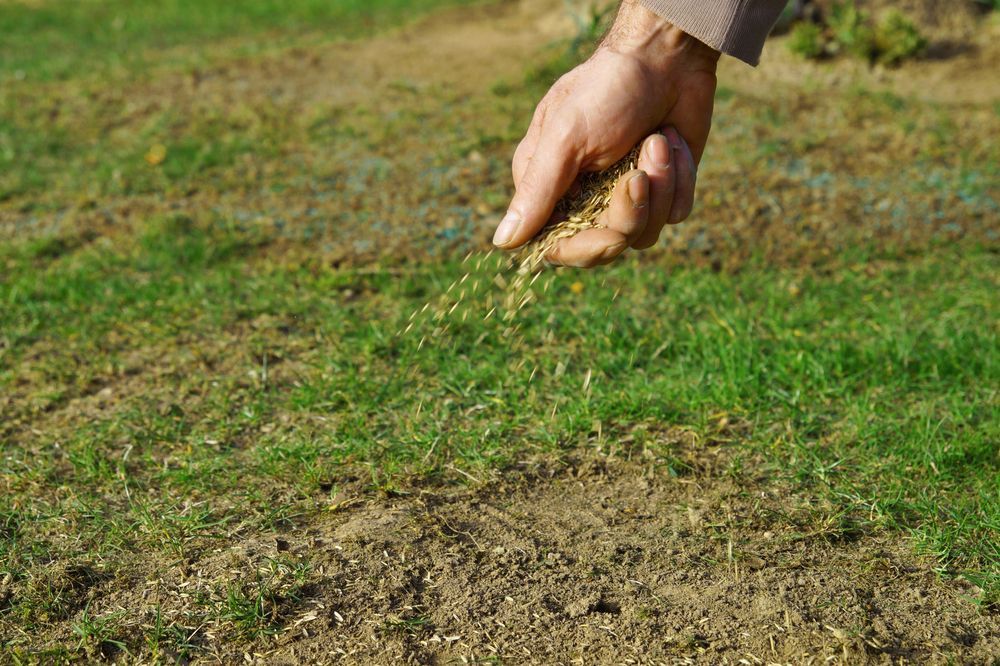
Seeding works by introducing new plants into areas where existing grass cannot spread quickly enough to fill gaps, particularly in high-traffic zones where foot compaction or pet activity kills roots faster than the lawn can repair itself. Seed-to-soil contact determines germination success more than seed quantity, since seeds sitting on top of thatch layers dry out before roots emerge and anchor into mineral soil.
Schedule a lawn evaluation to identify the seeding approach and timing that fits your property's current turf density and soil conditions.
What Proper Seeding Requires
Effective seeding starts with matching seed variety to the lawn's sun exposure and existing grass type, since shade-tolerant fescue blends perform differently than full-sun ryegrass mixes, and mismatched varieties create patchy color and texture even after successful germination. Soil preparation ranges from light surface scratching for overseeding to full dethatching and aeration for heavily compacted areas where seeds cannot penetrate the surface mat of dead grass and roots.
After seeding completes, you notice new grass blades emerging in thin areas where bare soil previously showed through, and the lawn develops a more uniform appearance as new plants mature and blend with established turf. Dense root systems from seeded areas improve the lawn's ability to handle summer heat and recover from drought stress without creating permanent dead zones that require repeated reseeding each year.
Seeding delivers best results when paired with starter fertilizer that provides phosphorus for root development, consistent moisture for the first three weeks while seeds germinate, and delayed mowing until new grass reaches three inches tall and roots anchor firmly into soil. Properties with heavy shade or poorly draining clay may require additional soil amendments before seeding to address conditions that originally prevented grass establishment.
Answers to Frequent Service Questions
Arlington homeowners typically ask about seeding timing, success rates in problem areas, and what happens after seeds are applied.
When is the best time to seed lawns in this area?
Fall seeding between mid-August and late September produces the highest success rates because soil stays warm enough for germination while cooler air temperatures and increased rainfall reduce seedling stress that causes failure during spring seeding attempts.
How does seeding differ from sodding for filling bare areas?
Seeding costs significantly less and allows root systems to develop directly in your existing soil, while sod provides instant coverage but requires roots to penetrate through the sod layer into native soil, which sometimes fails in compacted or poorly prepared areas.
What determines whether overseeding or full renovation makes sense?
Lawns with at least fifty percent existing healthy grass benefit from overseeding, while properties with severe thinning, heavy weed infiltration, or compacted soil layers produce better long-term results from dethatching or aeration before seeding into prepared soil.
Why do some seeded areas fail to establish even with watering?
Seed sitting on top of thatch or dense clay cannot develop roots into soil, birds and rain remove surface seeds before germination, and excessive shade or soil compaction prevents root systems from anchoring even when seeds initially sprout.
How soon can the lawn be mowed after seeding?
New grass should reach three to four inches before the first mowing, which typically occurs three to four weeks after germination, and mower blades must stay sharp to avoid pulling seedlings out of soil before roots establish firm anchorage.
Kyle Landscaping pairs seeding services with fertilization and ongoing lawn care to support establishment and long-term density. Arrange a consultation to review your lawn's specific conditions and seeding options.