
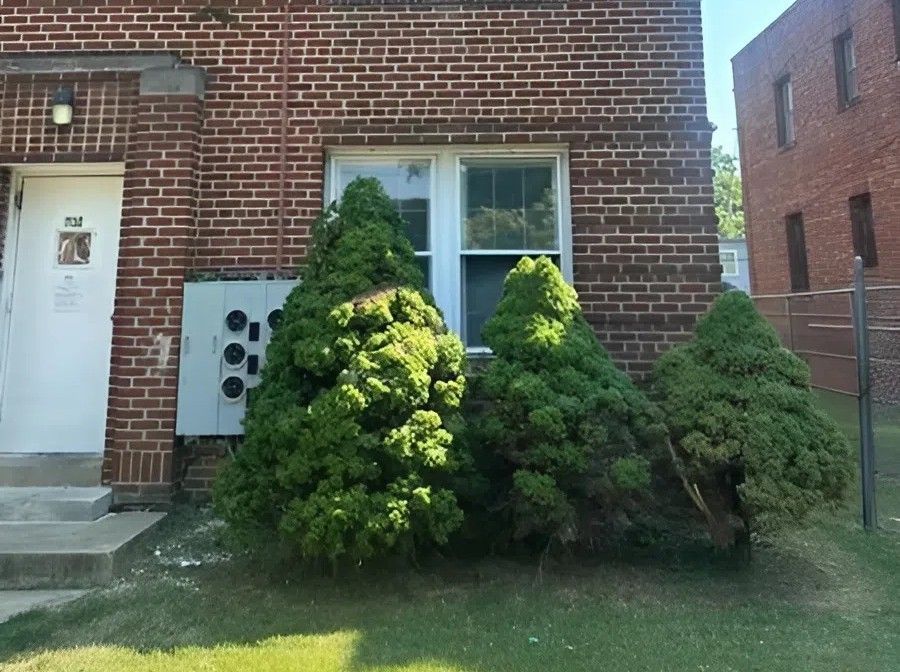
Hedges That Define Property Lines Clearly
Shrub and Hedge Trimming in Arlington for controlling overgrowth and maintaining formal landscape shapes
Overgrown hedges lose their intended shape and crowd walkways, windows, and neighboring plants as unchecked growth extends in all directions. Kyle Landscaping trims shrubs and hedges to restore defined edges, remove dead or crossing branches, and encourage dense interior growth that fills gaps and maintains privacy screening. The work addresses ornamental plantings that have outgrown their space or developed uneven profiles from inconsistent pruning, and it follows species-specific timing to avoid cutting during active flowering or vulnerable growth stages.
Trimming involves cutting back new growth to a desired height and width while removing damaged or diseased wood that weakens the plant's structure. Different shrub varieties respond differently to pruning—some tolerate aggressive shearing into geometric forms, while others require selective thinning cuts that preserve their natural branching habit. In Arlington's climate, timing matters because late-season pruning can stimulate tender new growth that doesn't harden off before winter freezes, leading to dieback and sparse spots the following spring.
Schedule routine landscape maintenance to establish a trimming cycle that matches your plantings' growth rates and aesthetic goals.
How Trimming Addresses Overgrowth
The process begins with assessing each plant's current size, health, and growth pattern to determine how much material can be removed without stressing the shrub or creating bare zones that take seasons to fill in. Cuts are made just above outward-facing buds to direct new growth away from the plant's center, and interior branches are thinned to improve airflow and light penetration. Clippings are collected and removed to prevent debris from smothering lower foliage or creating pest habitat.
After trimming, hedges present uniform height and width, and property lines or garden beds regain their intended boundaries instead of blurring into adjacent spaces. Shrubs develop denser branching because strategic cuts stimulate lateral bud growth, filling in sparse areas and improving privacy screening or decorative impact. The work also removes diseased or insect-damaged wood before problems spread, which is particularly important for shrubs showing signs of canker, borers, or fungal spotting.
Frequency depends on species and desired formality—fast-growing privet or boxwood may need trimming three times per season to hold tight shapes, while slower ornamental varieties like azaleas or hydrangeas require only one or two sessions timed around their bloom cycles to avoid removing flower buds.
Answers to Frequent Service Questions
Questions about shrub and hedge trimming often focus on timing, how much can be removed safely, and what results to expect from regular maintenance.
When should shrubs be trimmed?
Most shrubs are trimmed in late winter or early spring before new growth starts, though timing varies by species—spring-blooming shrubs are trimmed immediately after flowering to avoid cutting off next year's buds.
How much growth can be removed without harming the plant?
Most healthy shrubs tolerate removal of up to one-third of their total growth in a single session, though older or stressed plants may require lighter trimming spread over multiple seasons to avoid shock.
Why do hedges develop bare spots after trimming?
Bare zones appear when cuts are made into old wood that lacks dormant buds, or when hedges are allowed to grow so tall that lower branches are shaded out and die before corrective pruning begins.
How often do hedges need trimming in Arlington?
Fast-growing hedges like privet require trimming every six to eight weeks during the growing season to maintain formal shapes, while slower ornamental shrubs may only need attention once or twice per year.
What does trimming include?
The service covers shaping cuts, removal of dead or damaged wood, cleanup of all clippings, and disposal offsite; it does not include treatment of diseases or pest infestations, which require separate applications.
Kyle Landscaping tailors trimming schedules to individual shrub varieties and landscape goals, whether that means maintaining tight geometric hedges or preserving natural branching forms. Request an estimate to review current plantings and establish a maintenance plan that keeps shrubs healthy and visually consistent throughout the year.